Due to their training, Caregivers have specializations that can fit into many areas of the medical industry such as:
A. Orderlies: An orderly is a hospital attendant charged with non-medical patient care and general maintenance of systematic operations. Orderlies do not need a degree or certificate, and their interactions with patients are limited to non-treatment activities.
B. Psychiatric Aides: Mental health wards and psychiatric hospitals have different routines than regular hospitals, and psychiatric aides have to be familiar with the unique privacy concerns and treatment needs of mental health patients.
C. Medical Assistants: A trained Caregiver working as a medical assistant main responsibilities are to help doctors and nurses with routine tasks. A Caregiver can take vital signs and gather other patient data as well as administering basic care and tending to the hygiene needs of patients.
D. Occupational Therapy Assistant: Caregivers as Occupational Therapy assistants work directly with patients to help them regain and improve skills necessary for daily life. They work under the direction of an occupational therapist.
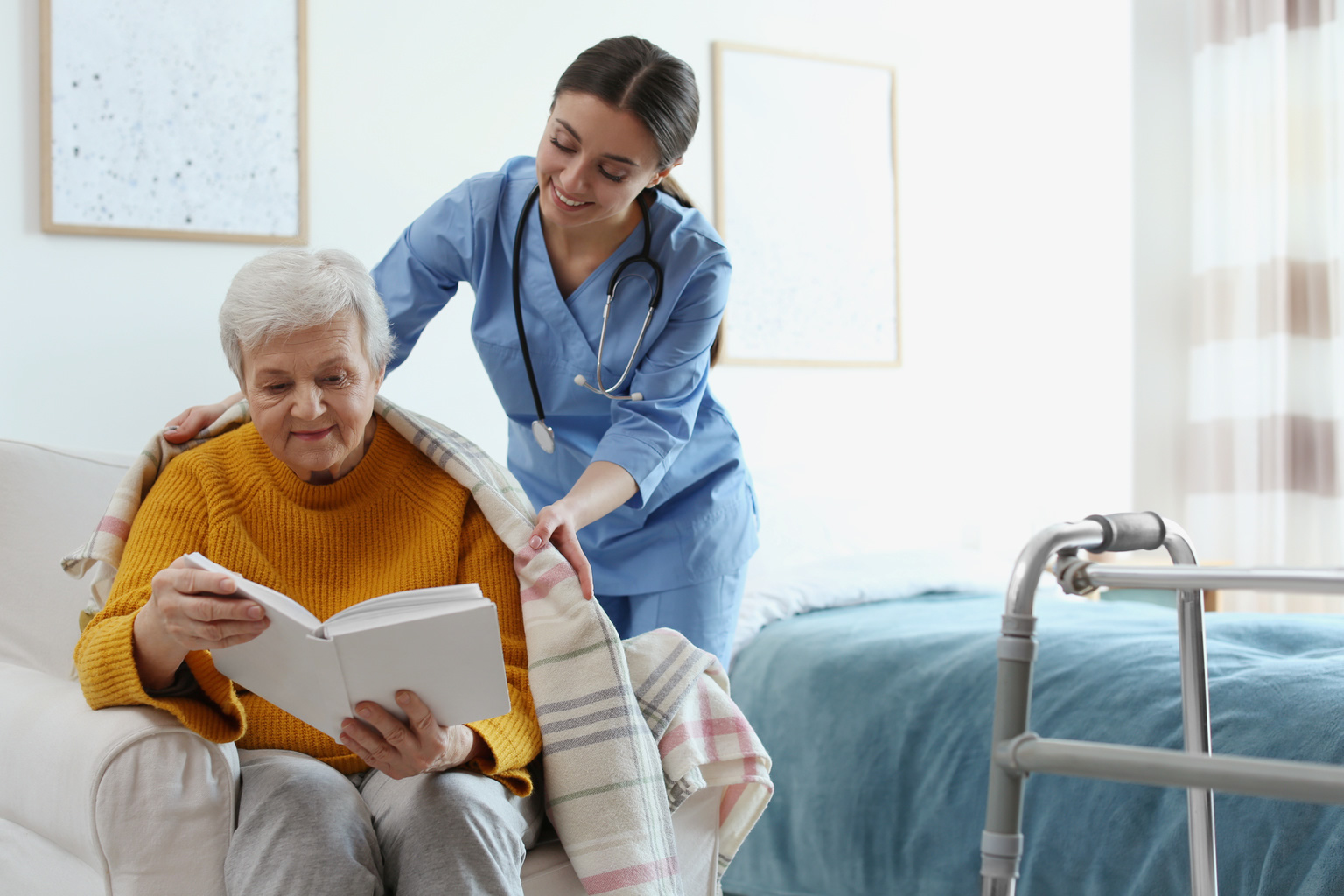
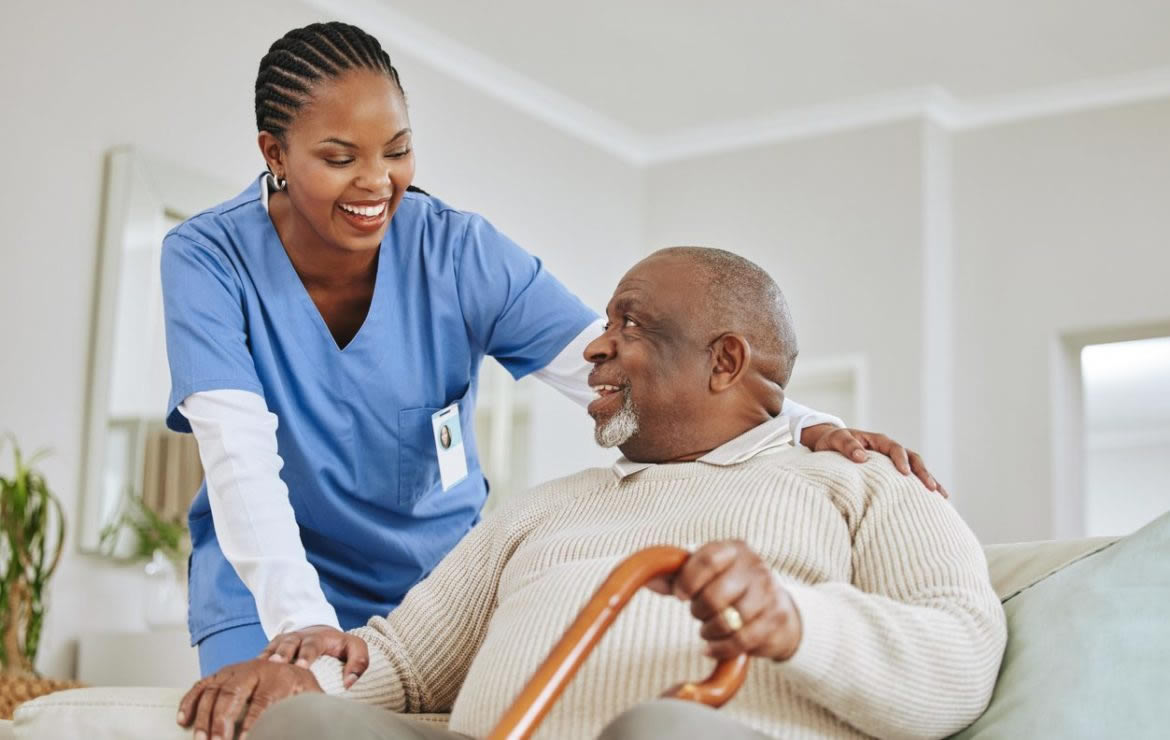
E. Personal Aides: As a personal aide, Caregivers will not only help patients with everyday tasks, but will be there to provide companionship. They may work alongside other healthcare workers in the home of one patient.
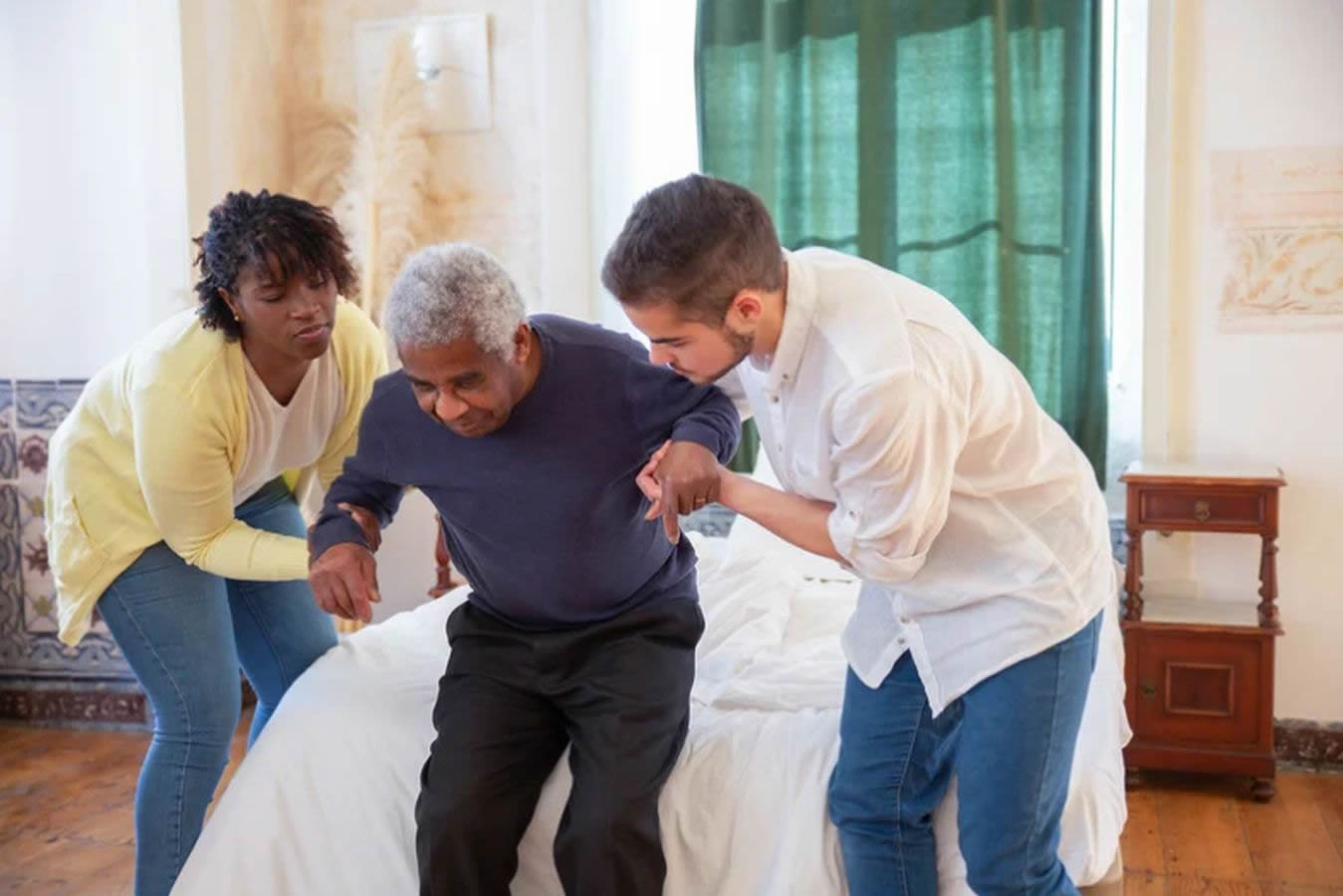
The trained Caregivers provide intimate, hands-on healthcare to patients in medical settings, helping with bathing, dressing and the basic activities of life. They are some of the most important members of the healthcare staff. They have a number of different duties, which can vary depending on where they work.